
Senegal: Saving Women's Lives: Reducing Women's Vulnerability to HIV in Rural Senegal
|
Marème Kairé, President of World Education's partner ARLS, mobilizes communities to break the silence surrounding HIV and AIDS
|
The weekly market in Touba Toule, near Kaire, Senegal, is the center of social activity and is a magnet for thousands of people from more than 20 surrounding villages. The market not only sells produce and livestock, but is home to restaurants and bars where the mix of alcohol, the social atmosphere and general festivities can lead to unsafe sex. It is also frequented by women for whom commercial sex work is the only available option to generate income for themselves and their families. In doing so, these women put themselves at enormous risk for contracting and transmitting HIV.
Kaire is located east of Dakar along one of Senegal's most important transportation highways, where rates of HIV infection are estimated to be at least four times higher then national rates. Recently, a women's group has taken on the challenge of addressing and preventing HIV in the Touba Toule market. The group, the Association Contra La Lute de Sida (An Association to Fight HIV and AIDS or ARLS), with support from World Education, has built a kiosk in the center of the market to inform people about HIV.
The World Education/ARLS partnership came about in 2004 after World Ed learned about the great work of ARLS, an 8,000 member women's federation, and its leader, Madame Kairé. At the time, World Ed proposed a partnership to test a new idea for fighting the spread of HIV by centering activities where thousands of people gather—in the bustling weekly markets that anchor the social, economic, and cultural life in the region. After listening closely to the ideas and suggestions from ARLS' members, local health officials, and community and religious leaders, the "Savings Women's Lives" Program was born. The Program is generously supported by the Tresorelle Family Foundation, an intergenerational family of American philanthropists dedicated to fighting HIV and AIDS in Africa, particularly on behalf of women and girls.
After careful consideration, the group decided to build a "Kiosk for Good Health" in the Touba Toule market. World Education and ARLS trained ARLS' volunteers to staff the kiosk and attract market-goers through festive murals and popular African music streaming outside. Using a creative combination of HIV and AIDS-themed theatre skits, volunteers act out scenarios that sensitively—but plainly—address real life issues. Initially, it was challenging to get community members to participate in the kiosk activities. Because of stigma, fear and anxiety associated with HIV and AIDS, even discussing the issue was difficult for many people. World Education helped establish trainings, mobilized key community members to support the program, and helps ARLS think about how to measure success, as well as consider how best to expand the program into other markets. This past spring, the team launched a second program in the Mbafaye market, reaching hundreds of communities and thousands of people.
|
Volunteers convey health messages through powerful theater and dance performances.
|
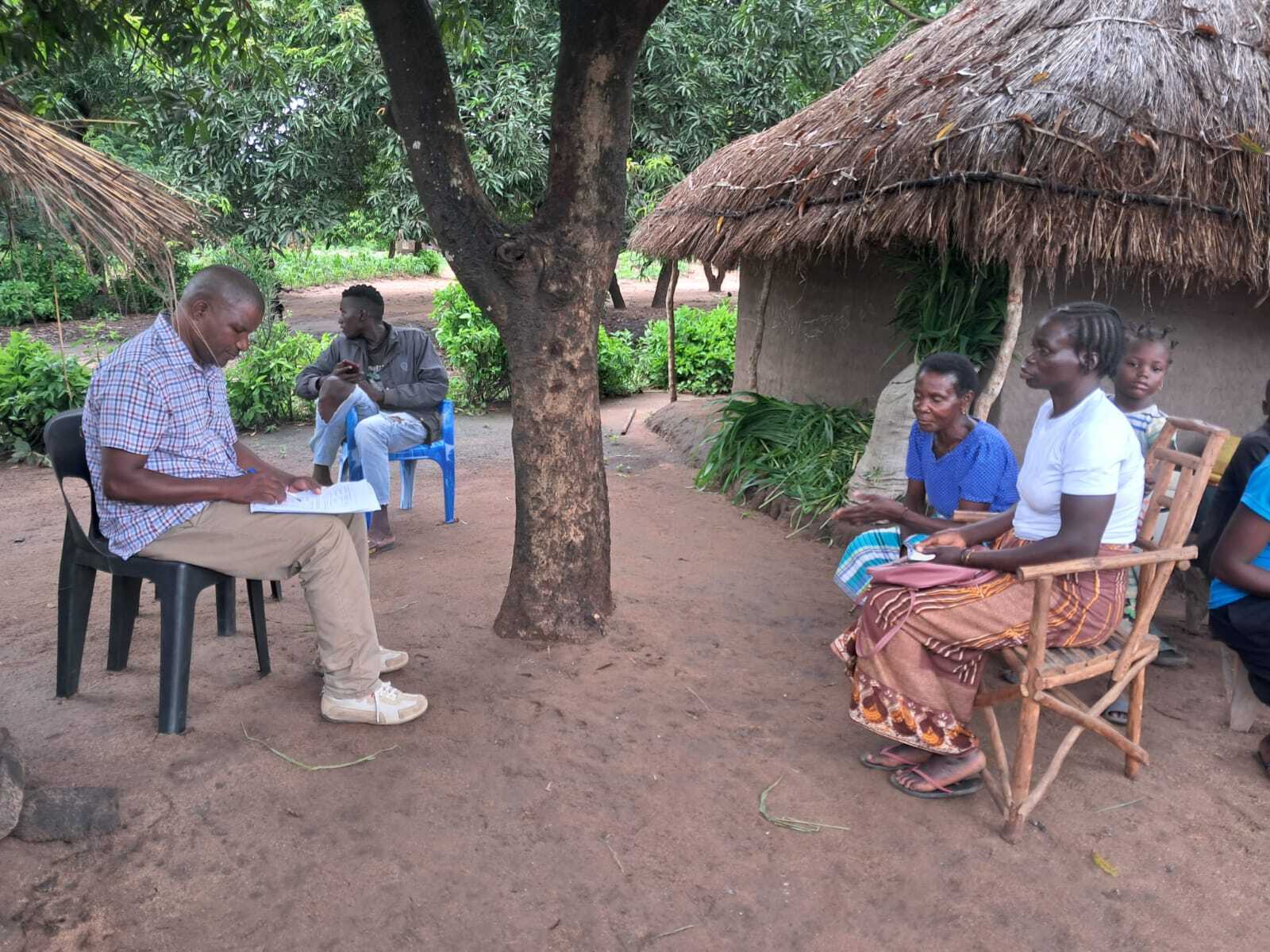
Theater performers use story and drama to portray discrimination and stigma faced by HIV positive people, the importance of getting tested, saying no to sex, and negotiating with a partner to use a condom. Honoring Senegalese tradition, the women also sing songs with important health information such as "go get tested for HIV even if you are married", "get your kids tested", "ask your husband to get tested and help him understand why it is important", "testing is important for everyone but especially women". To reinforce the HIV messages in the songs and skits, ARLS volunteers organize open discussions and information sessions with community members at the market. For people whose attitudes are not easy to change, health workers visit homes once a month. There, in a quieter, more confidential setting, the ARLS' volunteers are able to talk more directly about sensitive issues—particularly to men—and help encourage them to think about how their behaviors affect them and others.
ARLS volunteers also distribute HIV-related information, announce upcoming events, distribute condoms, and mobilize audiences for theater performances. Project activities are increasingly focused on educating truckers, business people, commercial sex workers and teens. For a variety of reasons, all of these groups are at a higher risk of becoming infected and spreading HIV through unprotected sex.
This year, in response to calls from community women, World Education and ARLS are developing a savings and credit program aimed at helping women increase their economic status. Long-known to improve women's economic conditions, savings and credit programs can help jumpstart small businesses and cover costs for school fees, uniforms, and healthcare. Through regular meetings of borrowers these lending programs strengthen women's connections to each other, creating a safe space where they share hardships, successes, test new skills, and get support from one another to take more control over their lives. Access to savings and credit programs can improve women's status and conditions in their families and can create a safe space for women to talk about and reinforce what they are learning about HIV and AIDS, strengthening their common goal of stamping out the disease in their communities.
More Features Stories...
|