

Thailand: Border Schools on the Edge
of Closure
Sarah Bruinooge from World Education
Thailand talks to us from the field
about the Burmese refugee and migrant
population in Burma.
Where is the World Ed Thailand-Burma program
located?
We work with 10 ethnic minority groups in seven provinces of Thailand near the Burma border.
What is the focus of World Education's
effort in this region?
World Education Thailand works with refugees
and migrants from Burma who live near
the Thailand-Burma border. More than
2 million people from Burma have been
forced to leave their homes because of
political instability and threats of
human rights violations. These refugees
and migrants live in refugee camps and
migrant communities along both sides
of the border. They have lost their homes
and livelihoods and many cannot access
basic services such as health care, education,
legal advice, and protection.
Our goal is to empower individuals and
communities by working with local partners
to improve the educational opportunities
that will change their lives for the
better.
How are you doing that?
The activities we implement and support
include community engagement, training
teachers and school directors, education
for children with special needs, Thai
language training for migrant students
entering Thai schools, and post-secondary
education support. We work closely with
several established community-based organizations
along the border through sub-grant support
and training in organizational management.
Why is there a refugee camp in
Thailand for Burmese? Can the Burmese
leave their country easily?
For decades, members of minority communities
have been fleeing the military regime
in Burma and seeking refuge on the Thai
border. Ethnic Karen, Shan, Mon, and
other communities have been spilling
into Thailand since the 1980's when Burma's
military regime began launching a series
of brutal campaigns against them. There
are nine Burmese refugee camps based
on the Thai-Burmese border. The majority
of refugees living in these camps are
Karen who have fled ongoing fighting
in eastern Karen State.
|
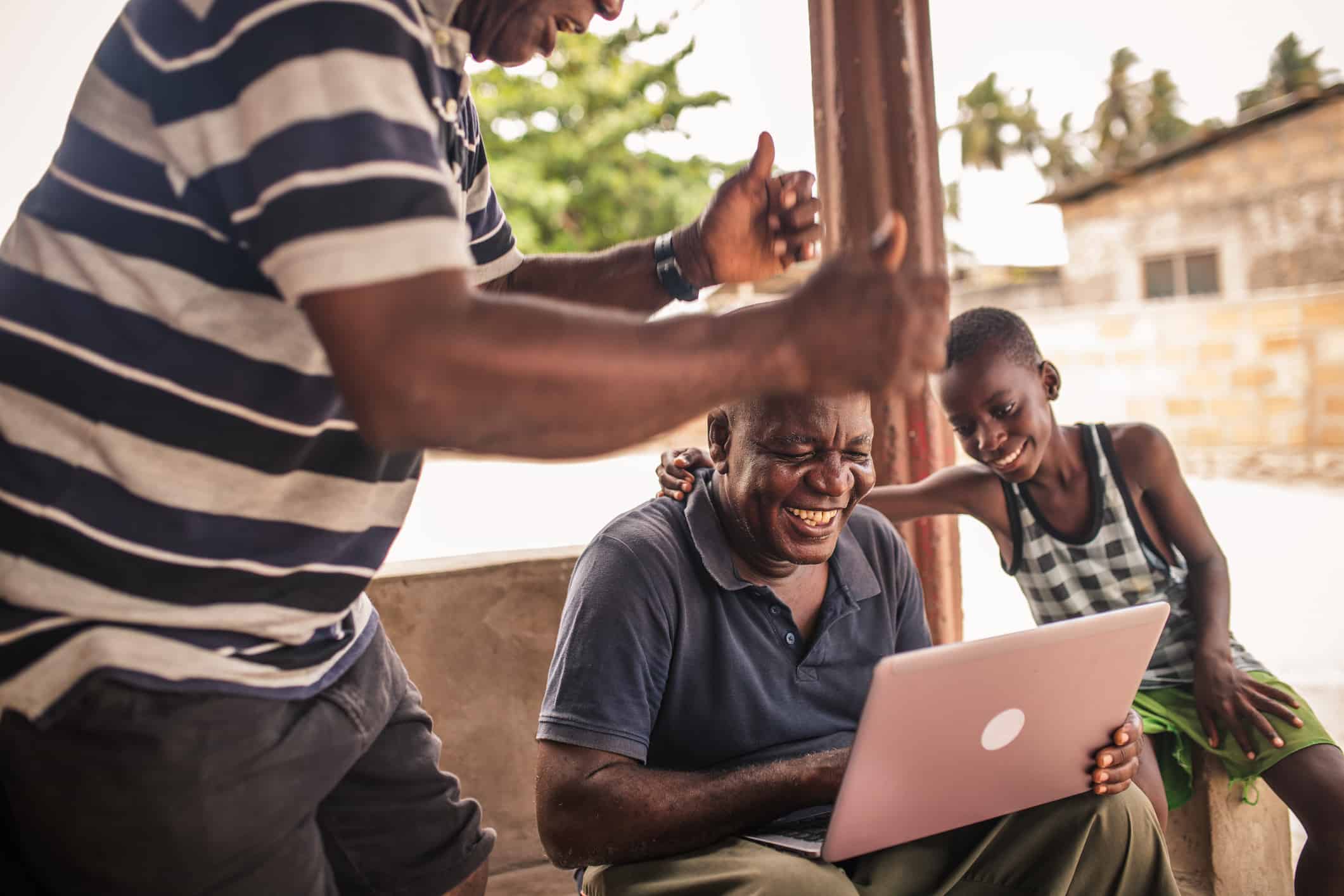
Burmese migrant boys at a World Education-supported school near the Thai-Burma border.
|
Tell us about the people who live
in the camps.
There are more than 2 million displaced Burmese people in Thailand.
Of those, approximately 150,000 are refugees
living in camps. There are about 36,000
school-aged children in the camps, many
of whom were born there and haven't experienced
life outside them.
What is the Thai government's
position on the refugees?
Admission to the refugee camps on the
Thai side of the border is governed by
a national screening mechanism, but the
number of those who are not registered
continues to grow. Thai law considers
displaced people and asylum-seekers who
live outside the camps to be migrants,
which means if they do not register as
migrant workers, they can be arrested,
detained, and deported. Refugees registered
in Thai refugee camps are not legally
permitted to engage in gainful employment
(UNHCR factsheet).
|
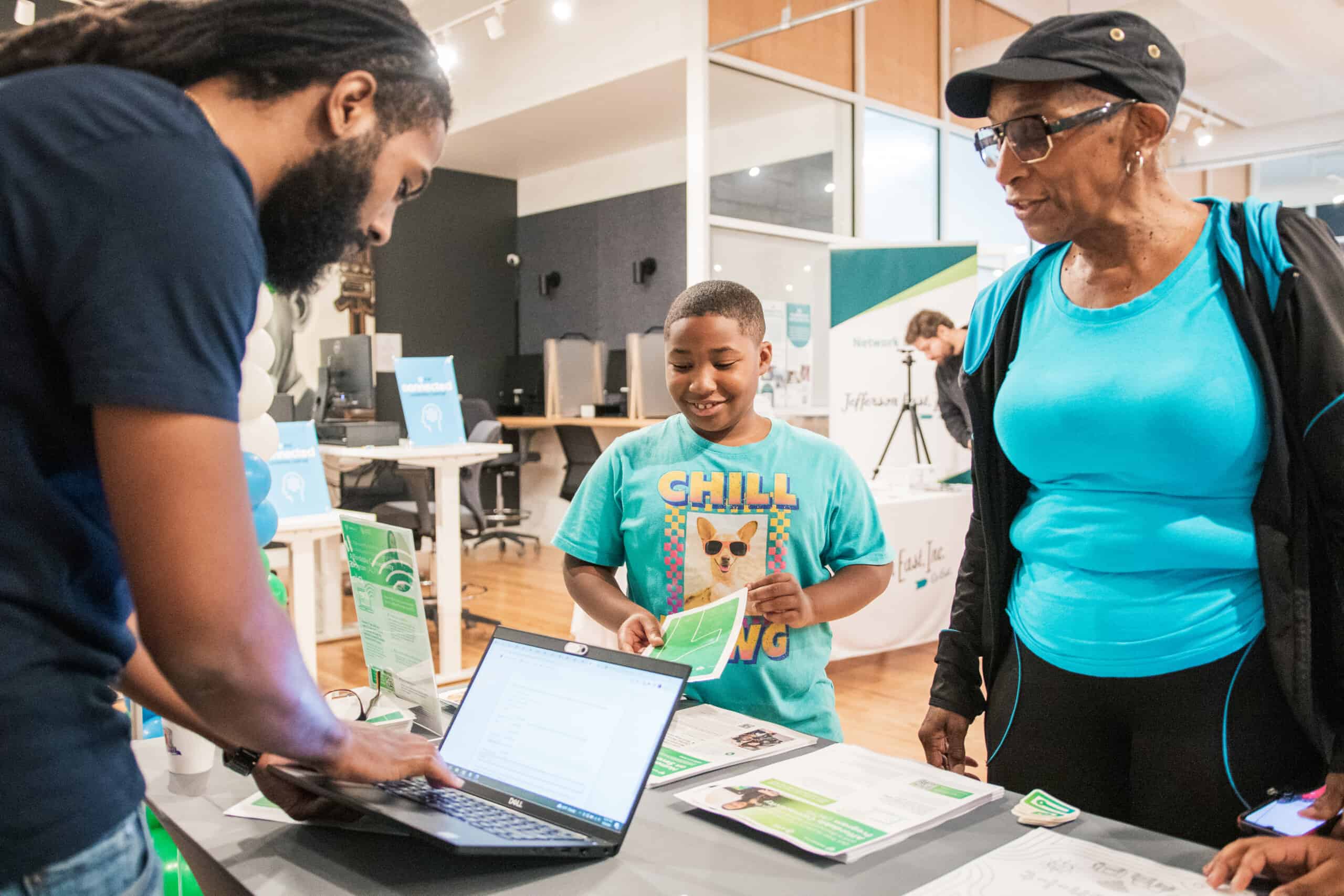
English is among the important subjects that students learn at the migrant schools.
|
How are the refugee camp schools
funded?
Refugee schools depend on outside donor
funds to operate because refugee parents
and communities cannot afford to pay
for their children's schooling. Education
systems are refugee-managed with support
from international donors, who have decreased
their funding commitments over the past
couple years. As a result, there are
huge budget shortfalls for education
in the refugee camps.
How much money are you talking
about, and what, exactly, will it
pay for?
The total funding gap is approximately
$720,000. Since there are 36,000 school-aged
children living in the camps, the amount
needed per child works out to about $20
USD. Twenty dollars will pay for teaching
materials, school supplies, teacher stipends,
and school equipment. It also pays for
textbooks, school lunches, and transport.
In short, $20 could send a child to school
for a year. The funding goes directly
to World Education's partner organization,
the Karen Refugee Committee Education
Entity (KRCEE), which administers education
services in seven of the camps.
More
Features Stories…
|