


Cambodia: Using Education to Combat Child Trafficking in Cambodia
|
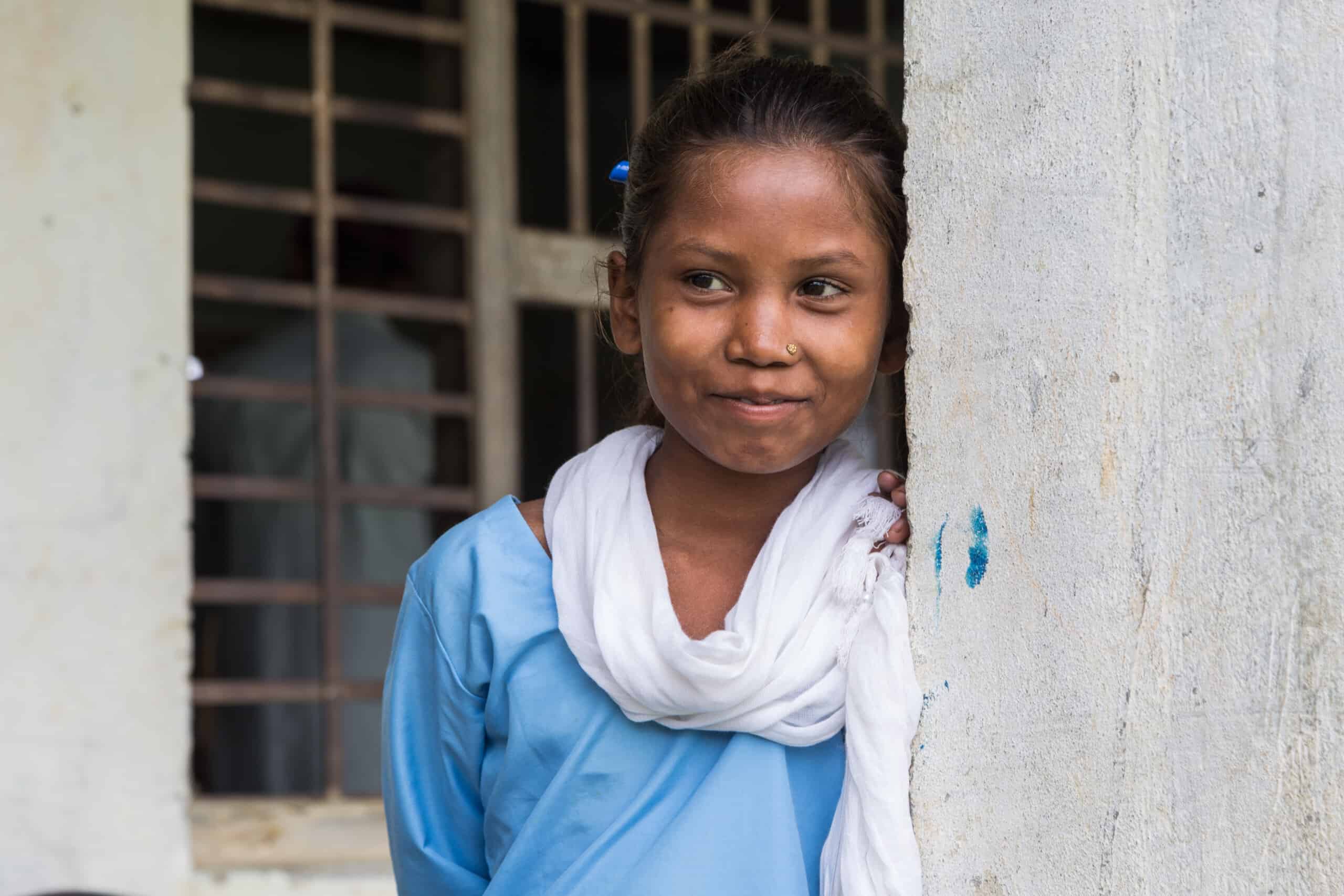
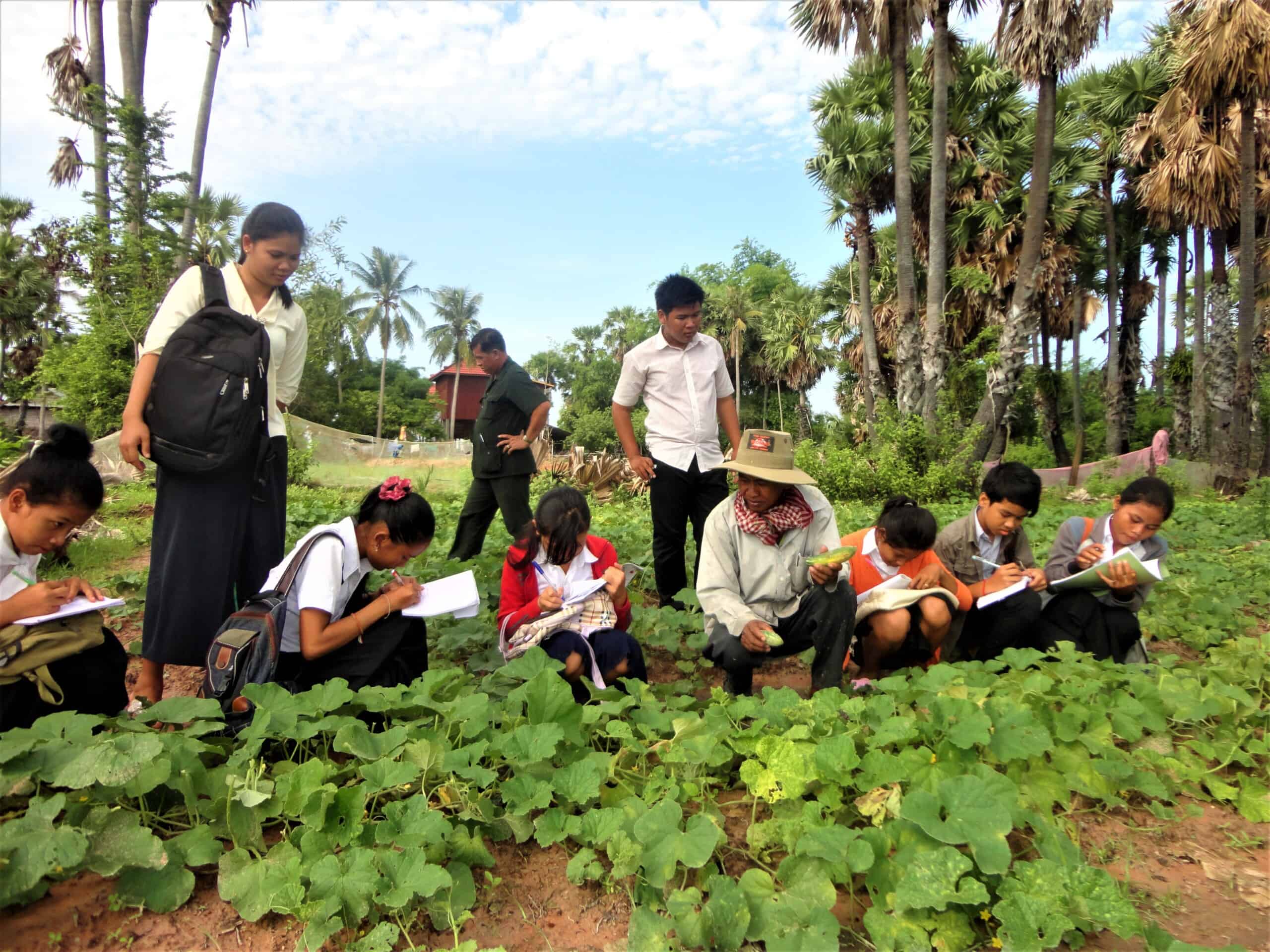
Chhiv Ya (center) and her girlfriends all attend school
with support from World Education's OPTIONS Program.
|
Life changed for Chhiv Ya when she was separated from her family during a community celebration. "There were hundreds of
people from outside our village at the celebration and I got separated from my family," relates Chhiv Ya, a 15-year old
girl. "At lunch time, a strange man sat next to me and asked me questions about my family. I told him that life was
very difficult, that we were very poor. He said that if I went with him, he would help me find some money, but I told
him I did not want to go. A little later, he brought me food and it was only after I finished eating it that I started
to feel really tired
he had drugged me and I found myself following him. He took me to the ferry about 25 miles away and
when we reached the other side, he took me to a little house. I stayed outside and he went in. When the drugs began to
wear off I was very, very scared."
Cambodia is a country of origin, transit, and destination for both domestic and international trafficking networks. It is
not known exactly how many children fall victim to trafficking each year but what is known is that many victims of
trafficking end up in the commercial sex industry, where approximately 30% of sex workers are under 18 years of age.
Conditions of poverty and high unemployment make teen girls—and their families—extremely vulnerable to the
promises of work in the city, not realizing the realities of what awaits them.
Chhiv Ya was fortunate. Two older women found her sitting outside the trafficker's house and realized she did not
live in the community. Once she explained her situation, the women recognized that she had been kidnapped and that her
captor intended to exploit her. The women told Chhiv Ya that she had to escape. She summoned her courage, and began the
long trek back to her family.
When Chhiv Ya finally returned to her village, she was initially met with scorn. Her parents and other community members
did not realize she had been kidnapped but assumed she had left of her own will. After a brief time, her parents and
neighbors came to understand what happened to her and embraced her return.
|
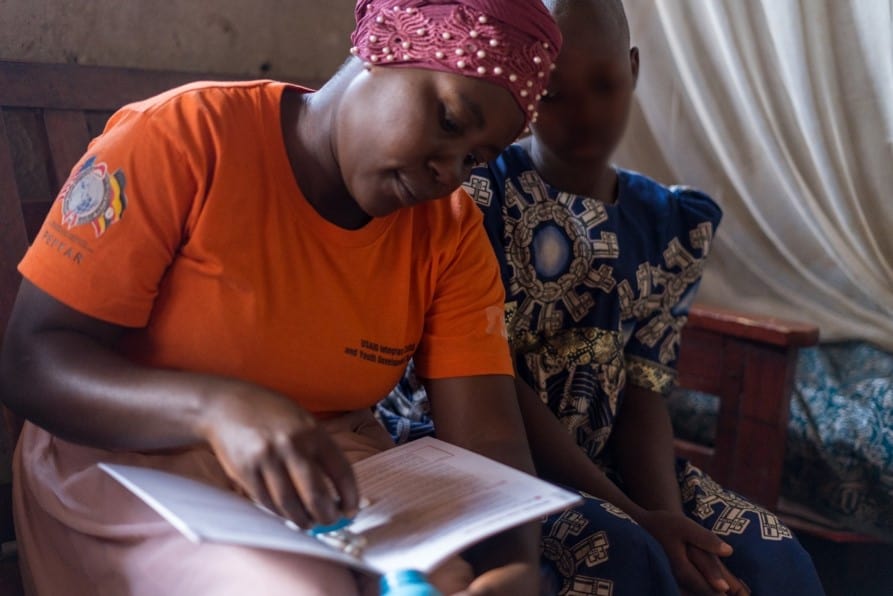
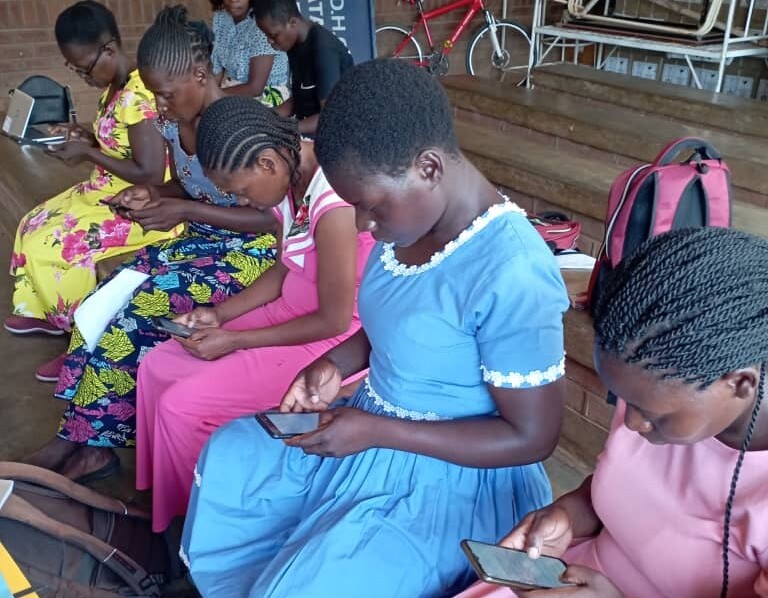
Girls learn how to protect themselves
from trafficking in World Education's OPTIONS Program.
|
Today, Chhiv Ya goes to school with the support of World Education's OPTIONS Program. The OPTIONS Program uses education as a
strategy to combat child trafficking and exploitation through scholarship support, literacy training for out-of-school girls,
practical life-skills education, livelihood development support, and community awareness and mobilization. OPTIONS helps
girls, in particular, learn relevant, practical skills including basic and reproductive health, nutrition, hygiene, and
HIV prevention, as well as reading, writing, critical thinking and problem-solving skills. Girls are directly involved
in awareness-raising activities in communities where they live and speak out about trafficking issues during public events.
Chhiv Ya is one of nearly 11,000 girls who will learn about the dangers of trafficking through World Education's OPTIONS
Program. She talks to families about the dangers that exist in their village or beyond, and tells them how they can
help protect their children. Because of the open atmosphere that has been created by the OPTIONS Program, parents and
community leaders have become less fearful of discussing child trafficking issues in public and have embraced the
leadership demonstrated by the girls.
Chhiv Ya is also learning skills to help her family and others better understand how to change conditions of poverty.
The students interview business owners, community leaders, and families to learn about the realities facing their
communities, and then meet as a group to brainstorm how families might be able to improve their conditions. She also
talks about the dangers of trafficking and the tricks traffickers can use to get young girls to leave their villages
under the promises of good employment. She explains, "I feel very safe now, but I want people to know that trafficking
is here, even in our little villages. I want to tell everyone about the dangers and how we can avoid being trafficked
just by understanding how we get tricked. I am not scared anymore and I am learning so much in the OPTIONS Program.
When I grow up I want to be a teacher and help people in my village learn how to read and write and make their lives
better."
More Features Stories...
|